
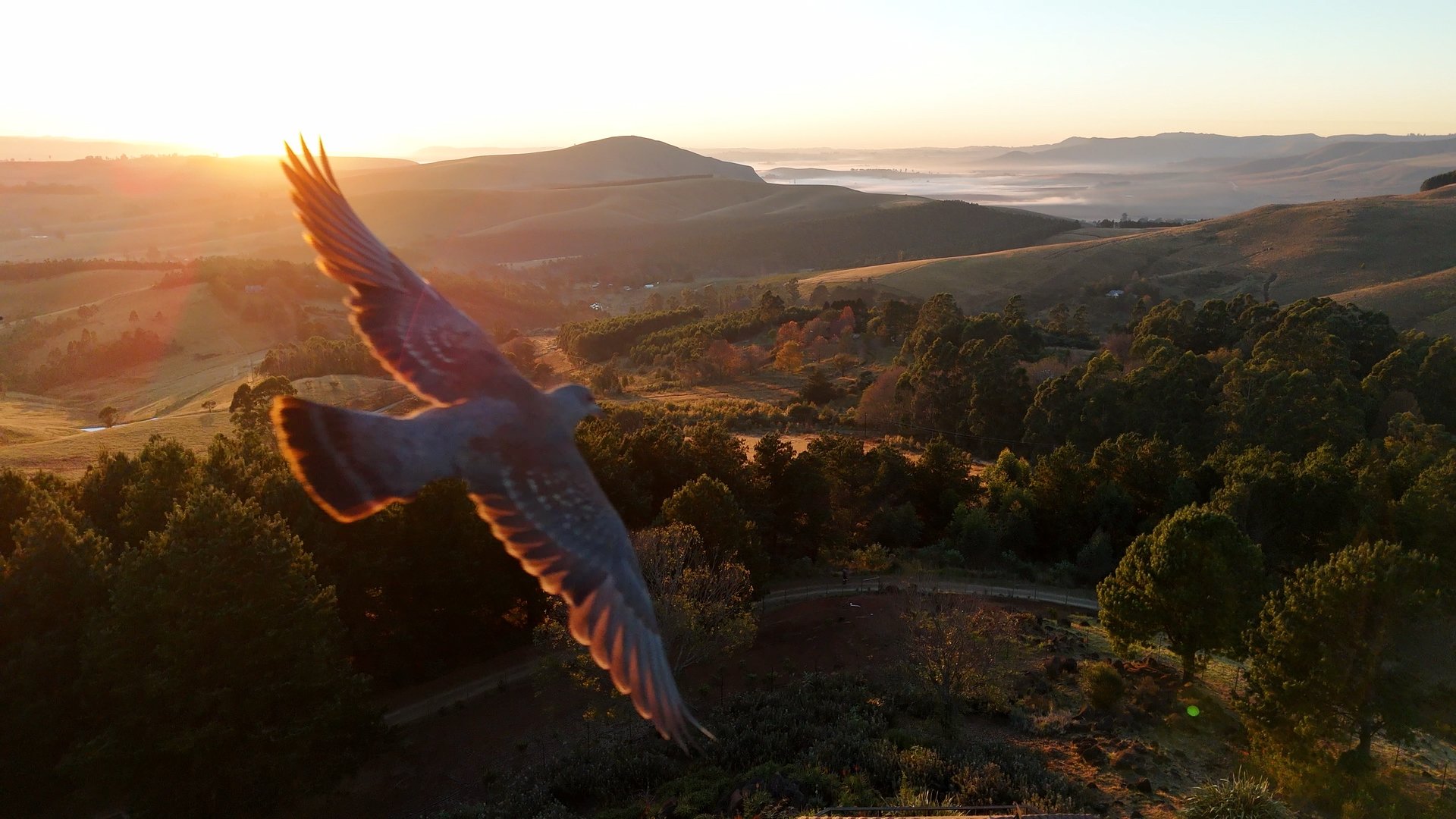
When most people think of Mooi River, they picture rolling farmland, excellent schools, country living and a convenient stop along the N3. It has long been one of the gateways to the KwaZulu-Natal Midlands, offering a peaceful lifestyle surrounded by some of South Africa's most beautiful countryside.
But that may be about to change.
Over the past few months, a number of major development announcements have placed Mooi River firmly in the spotlight. With proposed investments approaching R10 billion, the town could be on the verge of becoming one of the most significant growth nodes in the Midlands.
For property owners, investors and businesses, this is a story worth paying attention to.
Mooi River Developments at a Glance
Several large-scale projects have been proposed for the area, including:
-
A proposed R4 billion dry port logistics hub
-
The redevelopment of the former Tai Yuen textile factory site
-
The proposed R4.5 billion Mooi River Valley Development
-
New opportunities linked to logistics, agriculture, tourism and residential growth
Together, these projects have the potential to reshape the economic future of Mooi River and strengthen its position within the wider Midlands region.
A Multi-Billion Rand Logistics Hub Planned for Mooi River
One of the biggest developments currently under consideration is a proposed dry port logistics hub estimated at around R4 billion.
A dry port is essentially an inland freight terminal where goods can be transferred between road and rail transport. The vision is to create a major logistics facility in Mooi River that would help move freight between Durban and Gauteng more efficiently while reducing congestion on the N3.
The project forms part of a broader strategy to encourage more freight to move by rail rather than road, helping improve transport efficiency while creating new economic opportunities for the region.
Mooi River's location makes it a natural choice. Situated directly on the N3 corridor and supported by existing rail infrastructure, it offers strategic access to both Durban and Johannesburg.
While the project still needs to navigate various approval processes, it has already generated significant interest due to its potential economic impact.
Breathing New Life into Industry
Another exciting development involves the former Tai Yuen textile factory site.
For many Midlands residents, the Tai Yuen factory was once a major employer and an important part of the local economy. Plans are now underway to reposition the site as an industrial and business hub capable of attracting manufacturers, logistics operators and other commercial enterprises.
Should these plans come to fruition, they could bring new employment opportunities and renewed economic activity to the area.
The R4.5 Billion Mooi River Valley Development
As if that wasn't enough, a separate R4.5 billion development has also been proposed for the area.
Known as the Mooi River Valley Development, the vision is to create a destination that combines residential living, education, agriculture, tourism and recreation.
The proposed development includes:
-
Residential villages
-
A golf estate
-
Equestrian facilities
-
Sports and recreation amenities
-
Agricultural initiatives
-
Hospitality and tourism offerings
-
Educational and agricultural training opportunities
The project is designed to build on the area's existing strengths while creating new opportunities for growth and investment.
For many people who already love the Midlands lifestyle, this type of development has the potential to further enhance the area's appeal.
What Could This Mean for Midlands Property?
One of the questions we are often asked at R&R Real Estate is whether large infrastructure projects actually influence property values.
While no one can predict the future with certainty, history shows that significant investment in an area often creates long-term demand for property.
If these developments proceed as planned, Mooi River could benefit in several ways.
Increased Housing Demand
New businesses, construction projects and economic activity typically attract people to an area.
That creates demand for homes, rental properties and accommodation for workers, professionals and families relocating to the region.
Greater Investor Interest
As confidence in an area's future grows, investors often begin looking for opportunities before prices fully respond.
This can increase activity in both the residential and commercial property sectors.
Growth in Commercial and Industrial Property
Logistics hubs require supporting businesses.
Warehousing, workshops, fuel stations, accommodation, retail services and professional businesses often follow large-scale infrastructure investment.
Benefits for Agriculture
The Midlands has always been closely linked to agriculture, and improved logistics infrastructure can make it easier and more cost-effective for farmers to access markets.
Additional agri-processing opportunities may also create value within the local agricultural sector.
What This Could Mean for Nearby Midlands Areas
The potential impact is unlikely to be limited to Mooi River alone.
Neighbouring areas such as Rosetta, Nottingham Road, Lions River, Dargle, Bosch Hoek and even parts of Estcourt could benefit from increased economic activity and investment flowing into the region.
Lifestyle estates, smallholdings, farms and residential properties across the Midlands may become increasingly attractive to buyers seeking both quality of life and long-term growth potential.
For property investors, the Midlands already offers a combination of lifestyle appeal, agricultural strength and strategic location. Large-scale investment could further strengthen that position.
Why the Midlands Should Take Notice
What makes these announcements particularly exciting is that they are not isolated projects.
Together, they suggest a broader vision for Mooi River as a logistics, agricultural, educational and lifestyle hub within the KwaZulu-Natal Midlands.
The town already offers many of the ingredients that people look for when choosing where to live or invest:
-
Excellent schools
-
Easy N3 access
-
Strong agricultural foundations
-
A beautiful natural environment
-
A central Midlands location
Large-scale investment has the potential to build on these strengths and create new opportunities for residents, businesses and property owners alike.
A Town Worth Watching
At R&R Real Estate, we believe local knowledge matters.
While it is still early days and many of these projects remain subject to approvals and implementation timelines, there is no doubt that Mooi River is attracting attention for all the right reasons.
The Midlands has always been one of South Africa's most desirable regions in which to live, work and invest. If these proposed developments move forward, Mooi River could become one of the area's most exciting growth stories over the next decade.
Whether you are a homeowner, investor, developer or simply someone who loves the Midlands, this is certainly a town worth watching.
If you're considering buying, selling or investing in the Midlands, explore our Midlands property listings and area guides to learn more about the opportunities available throughout the region.
Frequently Asked Questions
What is a dry port?
A dry port is an inland freight terminal where goods are transferred between rail and road transport before moving to major seaports such as Durban.
Will these developments increase property prices?
There are no guarantees, but major infrastructure investment often leads to increased demand for residential, agricultural and commercial property over time.
Which areas could benefit from the proposed developments?
Mooi River, Rosetta, Nottingham Road, Lions River, Dargle, Bosch Hoek and parts of Estcourt may all benefit from increased economic activity and investment.
Have the developments been approved?
Some of the projects are still subject to planning approvals, environmental processes and implementation timelines.
Why is Mooi River strategically important?
Mooi River sits directly on the N3 freight corridor between Durban and Gauteng and already benefits from existing rail infrastructure, making it an attractive location for logistics and industrial development.